
Establishing a forum dedicated to carbon farming Research and Innovation (R&I) within the CARBONICA platform represents a significant initiative to foster collaboration, knowledge sharing, and community building across various regions and expertise.
This forum is envisioned as an online space that gathers experts from all three Widening Countries (Cyprus, Greece, and North Macedonia) to pool their knowledge, experiences, and insights regarding carbon farming. It transcends geographical boundaries, encouraging participation from local experts and diaspora communities, fostering a diverse and global perspective on the subject.
At its core, this space is inclusive and inviting, welcoming project partners, stakeholders (such as farmers, researchers, policymakers, and environmentalists), and individuals enthusiastic about contributing to climate-resilient agriculture and carbon farming innovations.
Online Roundtable #7:Monitoring biodiversity to support carbon removals and soil health

Цитат од eratosthenes-1 на декември 19, 2025, 12:52 pmTitle: Monitoring Biodiversity to Support Carbon Removals and Soil Health
Date: November 25, 2025
Lead Working Group: Greece
Moderators:
Dr Paraskevi Chantzi, Argiro Papastergiou, Daphne Kitsou – Interbalkan Environment Center (i-BEC), GreeceWorking Group speaker:
- Thanos Arampatzis, CARBONICA Project Coordination team / Reframe Food, Greece
Invited Diaspora expert speaker:
- Stelios Dritsas, Climate KIC, Belgium (Academia / Research)
MAP representatives – invited speakers:
- George Lokkas, creditCARB, Greece (Industry)
- Nicolas Netien, Olive Farm Manager, Cyprus (Farmer / Civil Society)
- Mellma Mehmeti, Ministry of Environment, North Macedonia (Policy)
Participants: 65
Stakeholder groups represented: Academia, industry, SMEs, NGOs, public authorities, policymakers, farmers, diaspora expertsKey outcomes:
Biodiversity as a core pillar of carbon removals
Speakers emphasised that biodiversity should move beyond being treated as a “co-benefit” and become a core requirement within carbon removal and certification frameworks. Robust biodiversity indicators and monitoring methods are essential to ensure that carbon farming delivers real climate and ecosystem benefits.
Aligning EU frameworks can reduce costs and increase impact
The discussion highlighted strong synergies between the EU Soil Monitoring and Resilience Directive and the Carbon Removal Certification Framework (CRCF). Better alignment between these frameworks can reduce administrative costs, improve soil health monitoring, and open new revenue opportunities for farmers through nature-positive carbon credits.
Opportunities and challenges for farmers
Carbon farming and biodiversity-friendly practices were recognised as promising pathways for farmers, but challenges remain. These include methodological fragmentation, financial barriers—especially for small-scale farmers—and uncertainty around additionality criteria. Blended finance and advisory support were identified as key enablers for wider adoption.
Market mechanisms and private sector engagement
Insights from the voluntary carbon market showed how high-quality, nature-positive carbon credits can attract private investment and support corporate net-zero strategies. Examples illustrated how farmers can generate credits through sustainable practices and access international markets, provided quality assurance and credible certification are in place.
Policy alignment and regional learning
National experiences from North Macedonia and Cyprus demonstrated the importance of holistic approaches linking soil health, water, and biodiversity within climate-smart agriculture policies. Policymakers stressed the need to align national strategies with emerging EU frameworks to support farmers and rural communities in the transition to carbon farming.
Future-oriented adoption
The roundtable underlined the role of younger farmers as key drivers of innovation and uptake of climate-friendly practices, supported by knowledge transfer, capacity building, and practical field-based tools.
📎 A one-page summary of the roundtable outcomes is available in the attached PDF.
💬 We invite forum members to share their views by responding to the pinned poll above. Your input helps enrich the discussion and reflect diverse perspectives from across the carbon farming community.
📸 Participants and speakers during the CARBONICA Roundtable:
Title: Monitoring Biodiversity to Support Carbon Removals and Soil Health
Date: November 25, 2025
Lead Working Group: Greece
Moderators:
Dr Paraskevi Chantzi, Argiro Papastergiou, Daphne Kitsou – Interbalkan Environment Center (i-BEC), Greece
Working Group speaker:
- Thanos Arampatzis, CARBONICA Project Coordination team / Reframe Food, Greece
Invited Diaspora expert speaker:
- Stelios Dritsas, Climate KIC, Belgium (Academia / Research)
MAP representatives – invited speakers:
- George Lokkas, creditCARB, Greece (Industry)
- Nicolas Netien, Olive Farm Manager, Cyprus (Farmer / Civil Society)
- Mellma Mehmeti, Ministry of Environment, North Macedonia (Policy)
Participants: 65
Stakeholder groups represented: Academia, industry, SMEs, NGOs, public authorities, policymakers, farmers, diaspora experts
Key outcomes:
Biodiversity as a core pillar of carbon removals
Speakers emphasised that biodiversity should move beyond being treated as a “co-benefit” and become a core requirement within carbon removal and certification frameworks. Robust biodiversity indicators and monitoring methods are essential to ensure that carbon farming delivers real climate and ecosystem benefits.
Aligning EU frameworks can reduce costs and increase impact
The discussion highlighted strong synergies between the EU Soil Monitoring and Resilience Directive and the Carbon Removal Certification Framework (CRCF). Better alignment between these frameworks can reduce administrative costs, improve soil health monitoring, and open new revenue opportunities for farmers through nature-positive carbon credits.
Opportunities and challenges for farmers
Carbon farming and biodiversity-friendly practices were recognised as promising pathways for farmers, but challenges remain. These include methodological fragmentation, financial barriers—especially for small-scale farmers—and uncertainty around additionality criteria. Blended finance and advisory support were identified as key enablers for wider adoption.
Market mechanisms and private sector engagement
Insights from the voluntary carbon market showed how high-quality, nature-positive carbon credits can attract private investment and support corporate net-zero strategies. Examples illustrated how farmers can generate credits through sustainable practices and access international markets, provided quality assurance and credible certification are in place.
Policy alignment and regional learning
National experiences from North Macedonia and Cyprus demonstrated the importance of holistic approaches linking soil health, water, and biodiversity within climate-smart agriculture policies. Policymakers stressed the need to align national strategies with emerging EU frameworks to support farmers and rural communities in the transition to carbon farming.
Future-oriented adoption
The roundtable underlined the role of younger farmers as key drivers of innovation and uptake of climate-friendly practices, supported by knowledge transfer, capacity building, and practical field-based tools.
📎 A one-page summary of the roundtable outcomes is available in the attached PDF.
💬 We invite forum members to share their views by responding to the pinned poll above. Your input helps enrich the discussion and reflect diverse perspectives from across the carbon farming community.
📸 Participants and speakers during the CARBONICA Roundtable: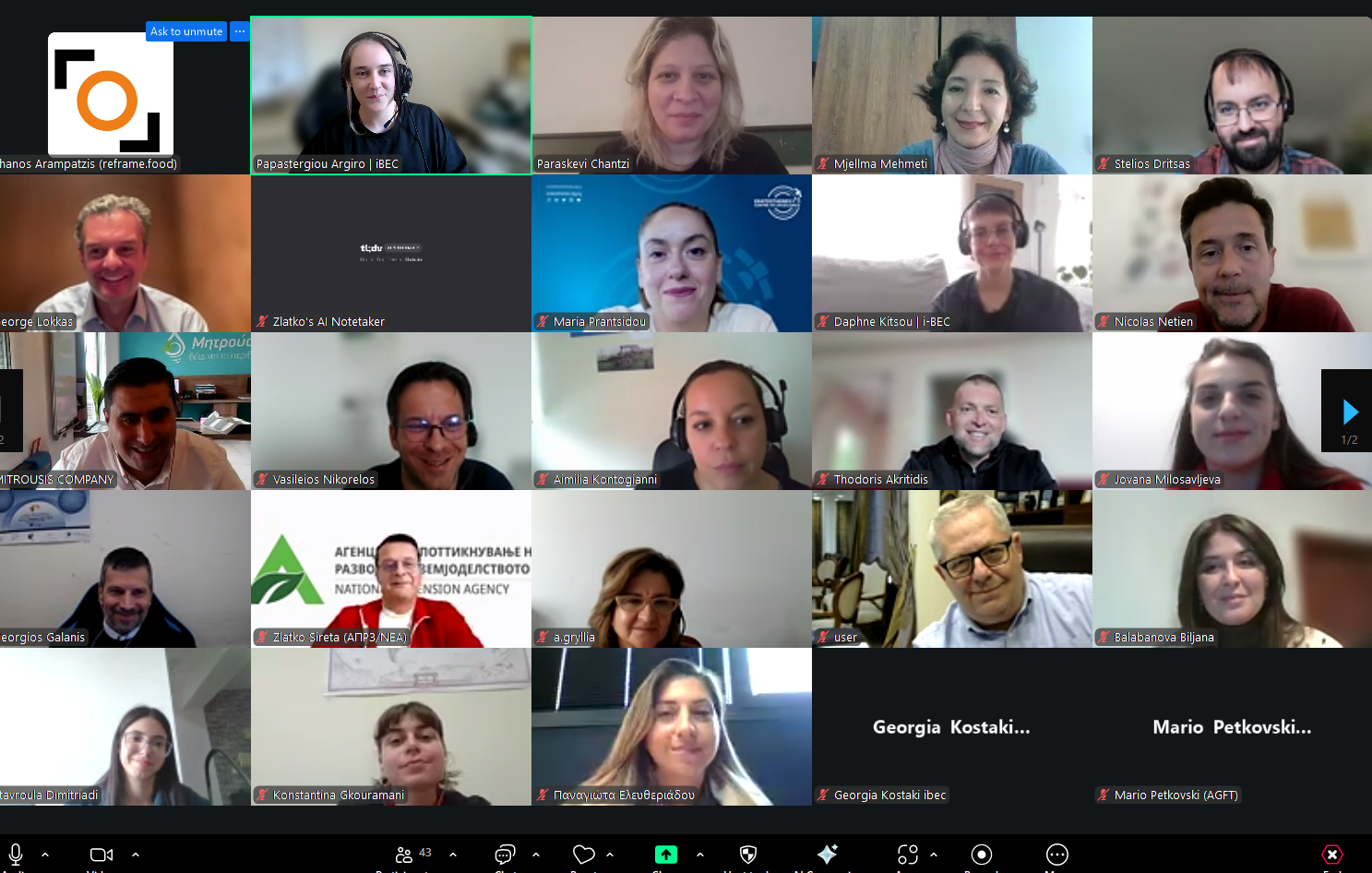
 MK
MK  EN
EN  EL
EL 